
Prices · 26 August 2026
How an oil shock becomes a CPI print
First-round energy is arithmetic. Second-round energy is a labour market and a set of inflation memories.
26 August 2026 · Hamilton desk
Energy is the channel through which geopolitics becomes a British inflation print. The 2026 Middle East conflict did what energy shocks always do. It moved oil and gas first, then petrol and utility bills, then the prices of things that are shipped, baked, smelted or driven. The Bank has spent the year trying to separate that first round from the second.
The first round is mechanical. Fuel has a direct weight in the CPI basket. Wholesale gas still sets a large part of the retail energy price cap. When those rise, inflation rises, even if every other price in the economy is well behaved. Looking through that movement is standard — provided it does not change wage bargaining and the prices of services that have nothing to do with oil.
The second round is psychological and contractual. If households start to expect 4 per cent inflation as normal, pay deals follow. If firms decide this is a chance to rebuild margins, services inflation sticks. The Bank’s July report said there was little evidence of those effects so far, and that a looser labour market should keep it that way. The three members who wanted a hike were not so sure, because energy has stayed high for long enough to test the theory.
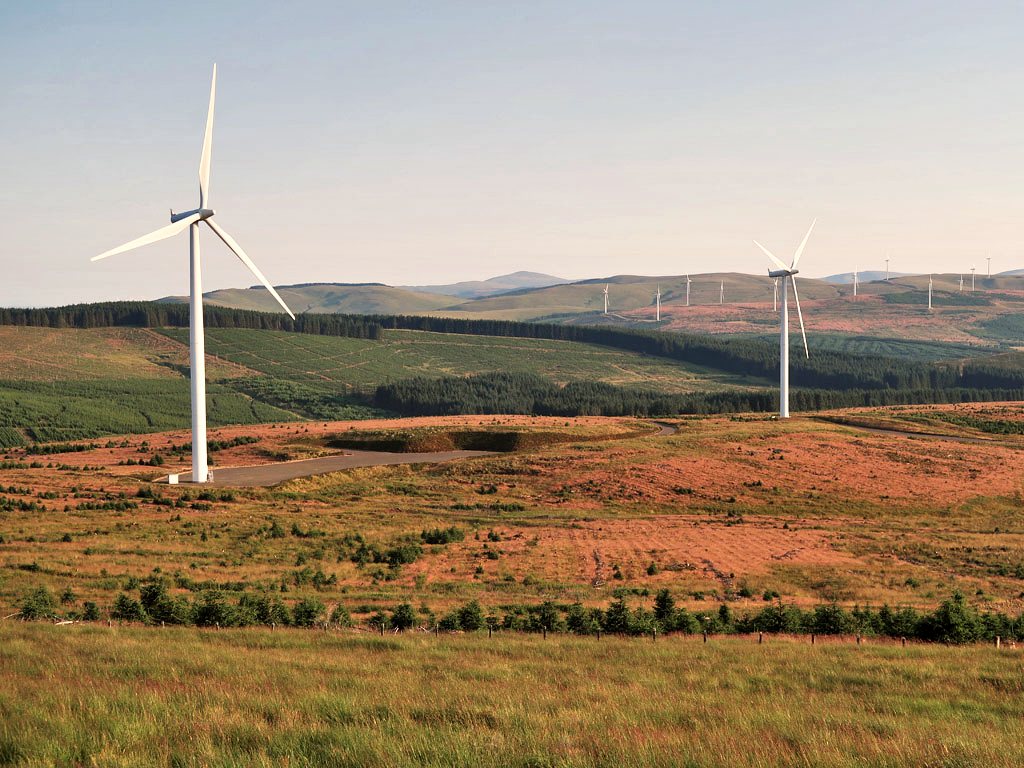
Britain is more exposed than it likes to admit and less exposed than it was in 2021. The dash for wind is real. So is the remaining dependence on gas for heat and for firm power when the wind does not blow. A shock that hits gas harder than oil is a British shock. A shock that hits oil harder than gas is an American and shipping shock that we import.
There is a fiscal side. Energy support, if it returns, is expensive. Energy taxes, if they are raised in a Budget, are inflationary in the print and contractionary in the real income. The 2025 Budget already showed how fiscal measures can push CPI around by a few tenths. That is not a reason to avoid tax. It is a reason to be honest about the price index you will then ask the Bank to ignore.
The useful discipline is to keep saying which round we are in. Direct energy: first round. Freight and fertiliser: first-and-a-half. Haircuts and restaurant meals: second, if they move. Until services and pay join the energy spike, the hold at 3.75 per cent is coherent. The day they join, it is not.