
Housing · 29 August 2026
Rates rationed buyers. They did not conjure roofs.
Mortgage pass-through is still working through the stock. The planning constraint did not notice.
29 August 2026 · Hamilton desk
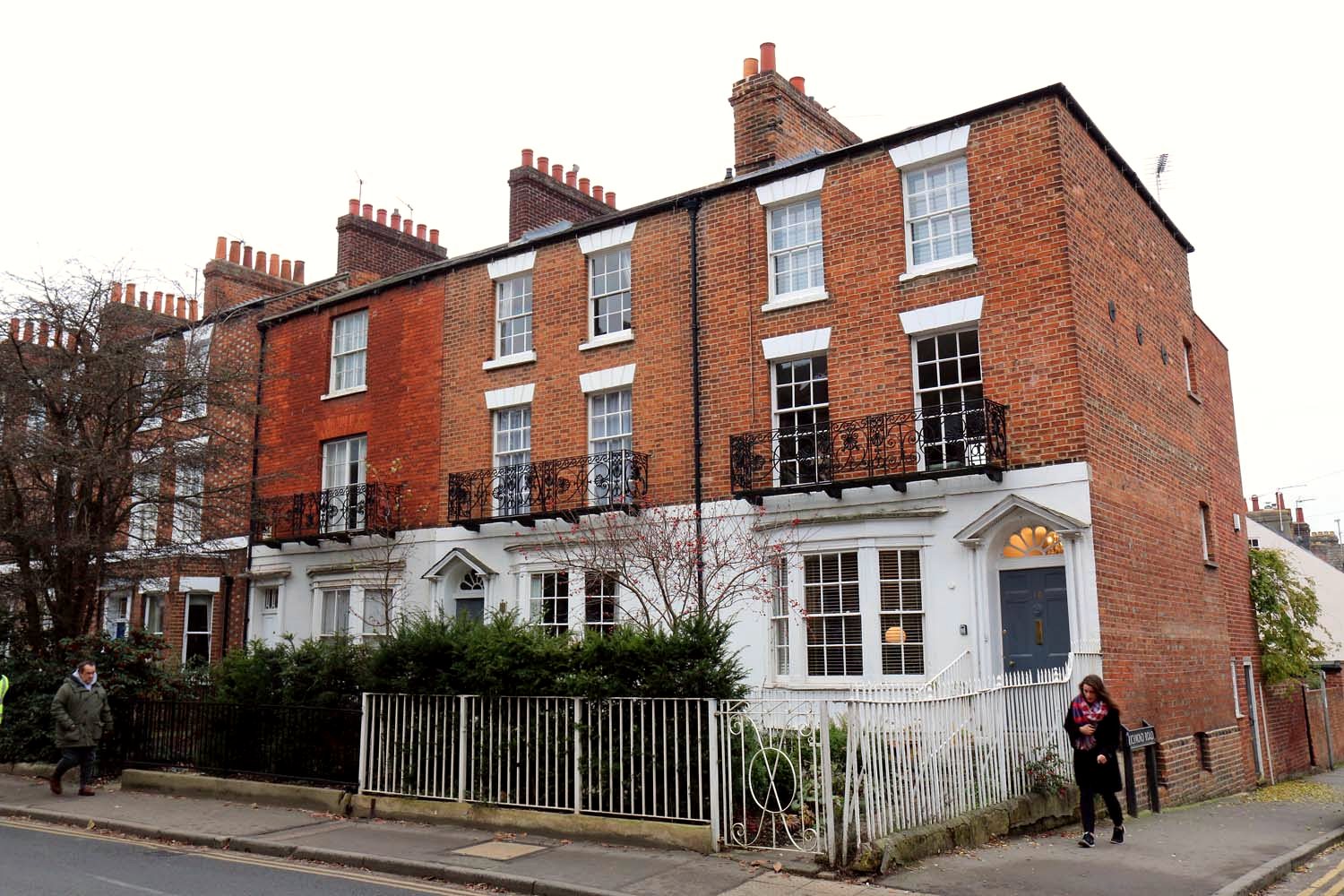
Housing is where monetary policy becomes a kitchen-table fact. Bank Rate at 3.75 per cent is not 5.25 per cent. It is also not 0.5 per cent. Mortgages taken in 2021 are still rolling onto very different rates. That slow pass-through is why the Bank can look at activity data and still see housing as a brake, even after a year of holds.
The stock problem has not moved. Britain does not build enough homes in the places people want to live, and it has not done so for decades. Planning remains the binding constraint in the South East and in the commuter belts. In parts of the North and in west-central Scotland the constraint is sometimes demand, sometimes land assembly, sometimes the cost of making old stock warm enough to let.
Higher rates did the thing they always do. They rationed buyers before they rationed supply. Transactions dropped. House-price inflation cooled, then in some regions turned negative in real terms. Rents did not follow as neatly, because the same shortage that props up prices in a boom props up rents in a squeeze. Private renters have had a worse inflation than owner-occupiers on old fixed deals.
Construction is a lagging thermometer. Crane counts in central London can coexist with stalled small sites in the Midlands. Materials inflation has eased from the post-pandemic spike; labour in the trades has not become abundant. Net additions will not jump just because Bank Rate stopped rising. They jump when planning, infrastructure and finance line up, which they almost never do at the same time.
Policy talk this year has returned to planning reform, to social housing, and to the old hope that a fiscal rule can still make room for capital spending. Each of those is a multi-year project. None of them will show up in the September CPI. They will show up, eventually, in the share of income that a nurse in Hamilton or a teacher in Croydon sends to a landlord.
We will keep treating housing as a macro beat, not a lifestyle supplement. The distribution of mortgage pain, the path of rents, and the failure to build are three of the ways the British economy reproduces inequality without anyone passing a new law.