
Monetary policy · 3 September 2026
The hold at 3.75 per cent is a judgment about energy, not a pause in thinking
Three members of the MPC already wanted 4 per cent in July. The majority is betting that a looser labour market will smother the second round.
3 September 2026 · Hamilton desk
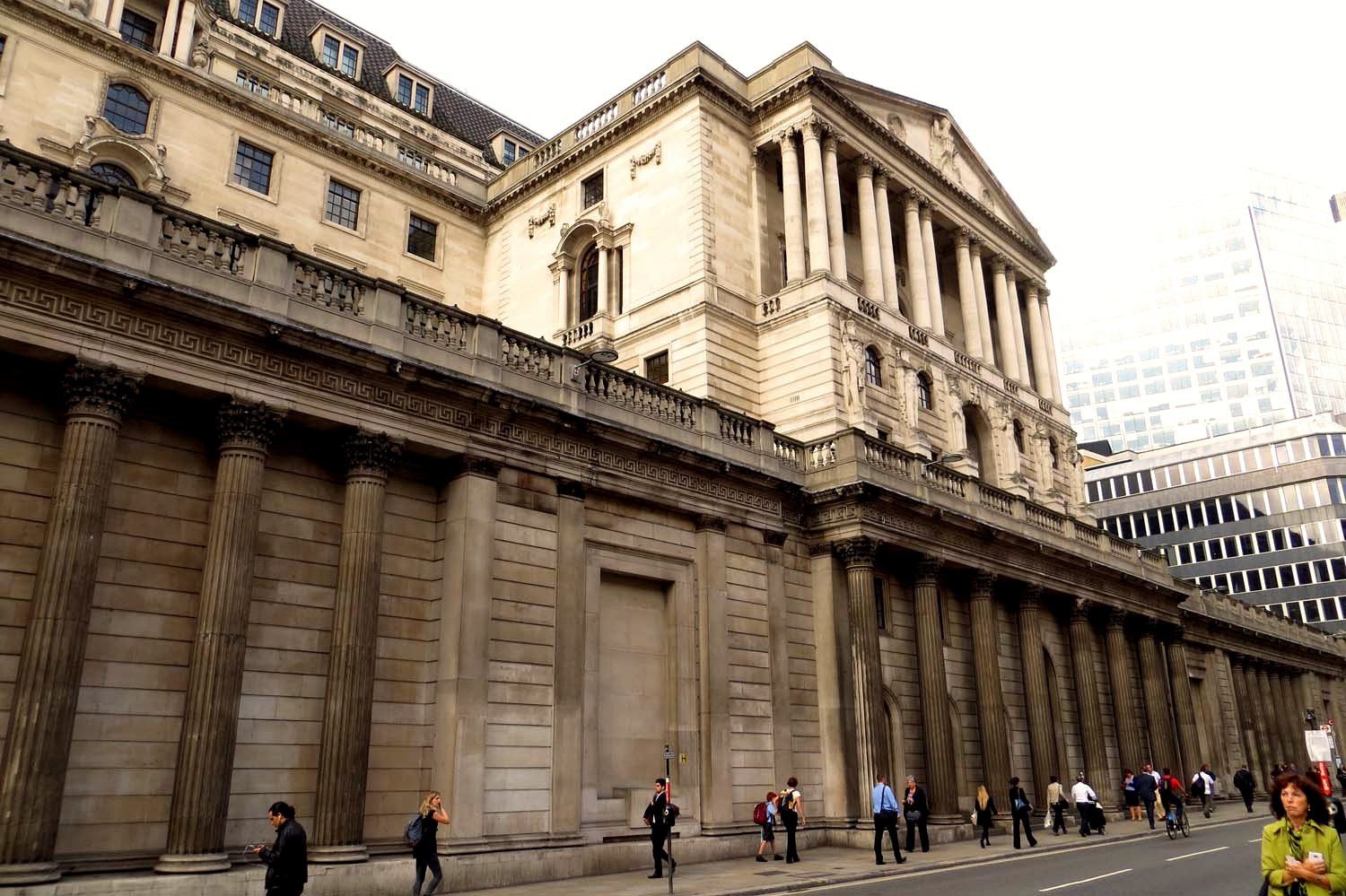
Threadneedle Street has spent 2026 doing the least dramatic thing available: sitting still. Bank Rate is 3.75 per cent. The Committee has held it there through a spring energy scare, a summer of mixed inflation prints, and a labour market that is clearly softer than it was when the post-pandemic boom was still feeding pay.
That stillness is a decision, not an absence of one. In July the vote was 6–3 for a hold, with three members wanting a quarter-point rise to 4 per cent. The majority is making a bet that can be stated in one sentence. Higher energy prices will lift the headline for a while; they need not lift wages and services inflation if there is spare capacity and if borrowing costs remain heavier than households and firms grew used to before 2022.
The data give that bet some cover. Vacancies fell through the first quarter. Redundancies remain elevated compared with the quiet years. Bank staff had unemployment drifting up toward 5.1 per cent in the second quarter. Private-sector pay settlements, according to the Bank’s own agents, were expected to average about 3.4 per cent in 2026, down from 4.0 per cent in 2025, with more than 70 per cent of deals landing between 2 and 4 per cent. That is not a wage-price spiral. It is a labour market remembering how to cool.
Headline CPI, however, has not been a straight line down. Inflation was 3.3 per cent in March, 2.8 per cent in May, 2.6 per cent in June and 2.9 per cent in the year to July. The Bank has said, more than once, that it expects the rate to pick up later in 2026 as earlier energy increases pass through. In July the central projection had inflation peaking around 3.2 per cent in the fourth quarter. A 2.9 per cent print in July is not a crisis. It is a reminder that the last mile is lumpy.
Quantitative tightening continues in the background. The stock of assets bought in the years of QE is being allowed to run off and, in part, sold. That drains a buyer from the gilt market at the same time as the Debt Management Office still has a large programme to finance. Monetary policy is therefore tighter than Bank Rate alone implies. Anyone treating 3.75 per cent as “the” stance is reading only the top line of the statement.
What would change the hold? A run of services inflation that stops falling. Pay deals clustering back above 4 per cent. A further jump in energy that starts to show in household inflation expectations rather than just in petrol and bills. The hawks on the Committee already think that insurance is worth 25 basis points. The doves think the insurance has already been bought — in the level of rates, in QT, and in a labour market that has lost its tightness.
17 September will not settle the argument. It will tell you which side still has the room. From Hamilton, the more interesting question is not the next 25 basis points. It is whether 3 per cent inflation becomes the thing firms quietly budget for, even as the target remains 2. That is how regimes drift: not in one vote, but in a sequence of holds that feel responsible at the time.